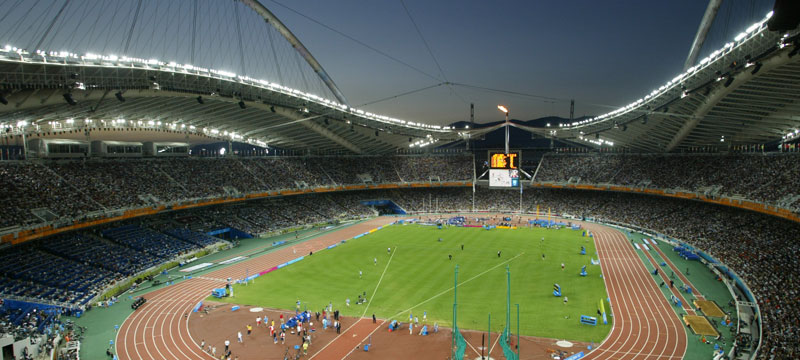
Athens Olympic Stadium
The Athens Olympic Stadium stands out not only for its role in the sporting world but also for its architectural significance. Its design represents a harmonious blend of ancient Greek tradition and modern aesthetics, making it a significant landmark that reflects both the past and present. The stadium is a creative interpretation of Greek architectural principles, and its construction was executed with a visionary perspective that emphasizes innovation and sustainability.
Inspired by Ancient Athens Olympic Stadium
The architectural inspiration for the Athens Olympic Stadium can be traced back to Greece’s rich cultural heritage. The aesthetic elements incorporated into the design reflect classical styles, such as the use of columns, open spaces, and harmonious proportions. By adopting these classical features, architect Santiago Calatrava has fashioned a structure that pays homage to Greece’s historical significance in the context of sports and athleticism Kkwin.fish.
Calatrava’s vision was multifaceted—he sought not only to build a venue for sporting events but to create a living monument that would inspire and resonate with the spirit of the Olympic Games. The gentle curves and flowing lines found in the stadium’s design signify movement, agility, and the dynamic nature of sports. This focus on movement is essential, as it embodies the motion inherent in athletic pursuits, prompting spectators to imbue the space with their own energy and passion.
Additionally, the integration of clever design elements helps to forge connections with the landscape surrounding the stadium. The form of the structure seamlessly interacts with its environment, allowing for spectacular views of the Acropolis and other iconic landmarks. Such a design approach ensures that the stadium is not perceived merely as an isolated structure but as a part of the broader narrative that encompasses Greece’s history and identity.
Modern Design Techniques and Sustainability
In the modern era, the Athens Olympic Stadium stands out for its incorporation of cutting-edge design techniques that prioritize both aesthetics and sustainability. The retractable roof, an innovative design feature, enhances the versatility of the stadium by allowing it to host various events regardless of weather conditions. This multifunctionality not only bolsters the stadium’s appeal but also showcases how contemporary architecture can respond to practical challenges while maintaining beauty.
Moreover, the environmental considerations in the construction process exemplify how modern architecture can promote sustainability. The design incorporates rainwater harvesting systems and energy-efficient lighting, minimizing ecological footprints and encouraging responsible resource use. The commitment to sustainability signals a broader trend in architectural practices where buildings are constructed not only to serve immediate needs but also to coexist harmoniously with the environment.
These innovative design features reflect a growing awareness of the responsibilities architects have to both the public and the planet. The balance struck between aesthetic allure and ecological accountability enhances the stadium’s standing as an exemplar of modern architectural excellence. The Athens Olympic Stadium becomes more than just a venue; it evolves into a symbol of what is possible when futuristic thinking embraces responsible design.
Cultural Significance and Community Engagement
The Athens Olympic Stadium plays a pivotal role in the cultural fabric of Greece. Its impact extends beyond hosting sporting events; it serves as a gathering place for people in the community, engaging them in a dialogue that revolves around sports, culture, and shared identity. By hosting events that resonate with the local population, the stadium fosters a sense of belonging and pride among its citizens.
Celebrating Greek Heritage through Sports
One of the most significant contributions of the Athens Olympic Stadium to the community is its ability to celebrate Greek heritage through sports. Hosting the modern Olympic Games in 2004, the stadium became a focal point for athletes from around the world, showcasing the cultural richness of Greece. The essence of the Games is not merely in competition but in the unity and cultural exchange they foster.
Additionally, the stadium serves as a venue for celebrating various local traditions and cultural events. By hosting festivals, concerts, and other showcases of Greek culture, the stadium strengthens community ties and highlights the nation’s artistic achievements. This multi-faceted engagement transforms the stadium into a cultural hub that promotes inclusiveness, understanding, and respect for local customs.
Through sports, the Athens Olympic Stadium tells the story of the Greek experience, celebrating the resilience and spirit of a nation that has navigated challenges while striving for excellence. It reinforces the idea that athletic achievement is intertwined with cultural heritage, illustrating how the two can coexist and elevate each other.
Engaging the Next Generation of Athletes
Another profound impact of the Athens Olympic Stadium on the community is its commitment to fostering an active lifestyle among the younger generations. By providing a platform for aspiring athletes, the stadium serves as a catalyst for engagement, encouraging participation in sports at all levels. Local schools and organizations regularly utilize the facility to enhance their athletic programs, inspiring youth to pursue physical fitness and develop essential life skills.
Programs specifically aimed at the youth within the community not only focus on physical training but also emphasize teamwork, dedication, and leadership—attributes that extend far beyond the athletic realm. The inspiring atmosphere within the stadium invigorates a passion for sports, igniting the aspirations of young athletes and nurturing their potential.
Community events held at the stadium, such as youth competitions and clinics, cultivate an environment of encouragement and support. Families come together to cheer on their children, instilling a sense of pride and belonging. These gatherings reinforce social connections and strengthen community values, creating a positive cycle of engagement that shapes future generations.
Conclusion
The Athens Olympic Stadium represents more than a mere collection of brick and mortar; it embodies the intersection of artistry, sustainability, and cultural significance within a dynamic context. Through innovative architectural design, the stadium serves as both a marvel of modern engineering and a homage to Greece’s ancient roots. Its role as a sporting venue continues to extend into the realms of community engagement, cultural celebration, and environmental awareness, showcasing the ways in which infrastructure can impact society at large. As a symbol of perseverance and hope, it affirms the potential for sports and culture to unite diverse communities, leaving an enduring legacy for generations to come.
About the Author